Impact of the Network
A network that transcends borders to foster a healthier and more democratic public debate
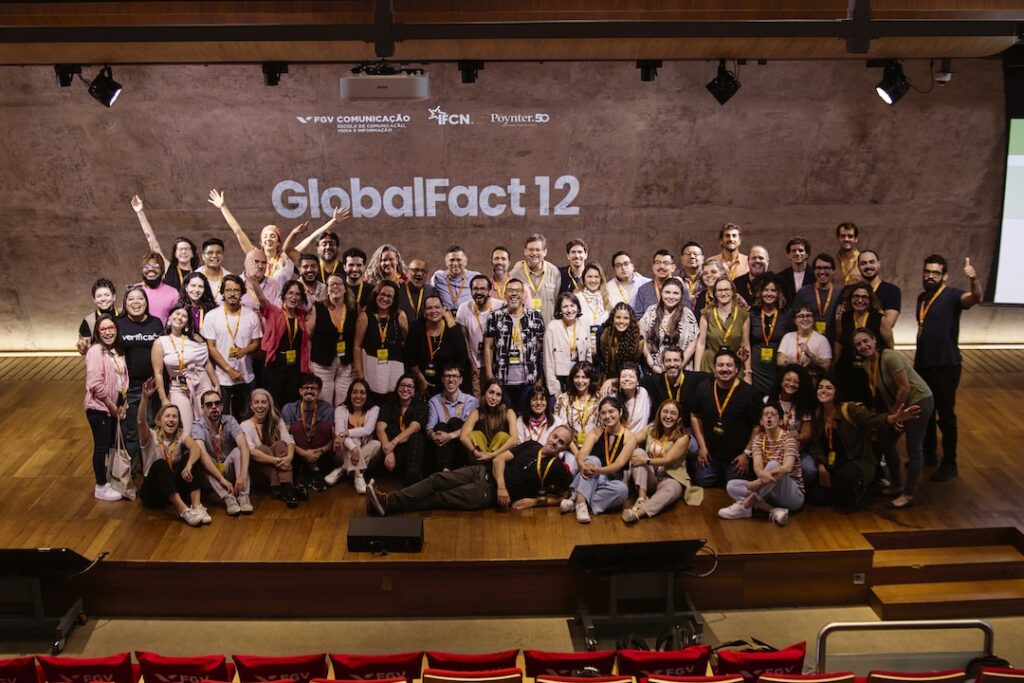
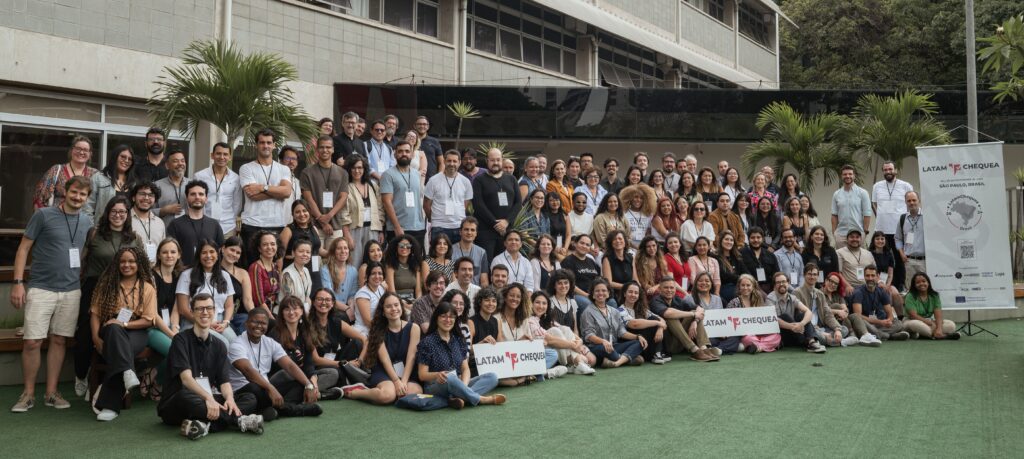
The LatamChequea network comprises 46 organizations from 20 countries, whose teams include more than 750 professionals from across the region. The goal of this network, coordinated by Chequeado, is to share experiences and tools that contribute to improving the quality of public debate and fostering collaboration among various media outlets in the region to increase the impact of fact-checking and the fight against misinformation on our continent.
+128M
CUMULATIVE FOLLOWERS ON SOCIAL MEDIA
+27K
STUDENTS AND JOURNALISTS TRAINED IN FACT-CHECKING OVER THE PAST YEAR
+25K
FACT-CHECKS, VERIFICATIONS, AND EXPLANATORY PIECES PER YEAR
+150
AWARDS WON
Millions of citizens reached on social media
We currently have a total reach of 128 million cumulative followers across the main social media platforms of fact-checking organizations. On TikTok alone, for example, content from the network’s partners generated over 620 million “likes,” and many of their videos garner millions of views.
Fact-checks cited by various media outlets, politicians, academics, and influencers
Last year, we produced more than 25,000 pieces of content, including fact-checks of public statements, verifications of viral content, explanatory pieces, and journalistic investigations, according to data from the network’s annual survey of its partners.
The work of our partners is republished by international media outlets such as the BBC, CNN, Deutsche Welle, El País, France24, Le Monde, NPR, OCCRP, Propublica, The Guardian, The New York Times and The Washington Post, among others.





More than half of the network—25 organizations—also collaborate with other networks, maintaining ongoing partnerships with over 500 media outlets that regularly republish their content in their respective countries. And, in total, more than 1,500 media outlets shared our content in the past year.
In addition, we are cited by politicians from various parties (including presidents, former presidents, ministers, representatives, and senators), social leaders, journalists, academic experts, and influencers with thousands of followers.
Fact-checks that improve public discourse
Thanks to our work, databases have been published that have improved the data available for understanding various phenomena in the region; public policies have been improved; or the justice system has taken action following our investigations, for example in this case in Argentina or this one in Brazil. We have also noted that politicians corrected or stopped repeating erroneous information after one of our partners published a fact-check.
We train thousands of young people, journalists, and educators
Over the past year, we have trained more than 27,000 students, journalists, and communicators across Latin America in fact-checking and critical thinking, according to data from LatamChequea’s annual census.
We also offer workshops and create hundreds of different resources, such as lesson plans, games, and guides on informational media literacy (AMI) tailored to various target groups, including school teachers, children and adolescents, college students, families, and other vulnerable groups such as older adults and indigenous communities.
Awards that fill us with pride
Our partners have won more than 150 awards and special mentions for our work, including: 16 Wan-Ifra awards, 6 Gabo awards, 3 IPYS awards, 3 Sigma awards, 2 SIP awards, and 1 King of Spain Award for Journalism, among many others.
From Latin America to the world: our voice in global debates
Every year we participate as panelists or guests at the most relevant international events, such as Global Fact organized by the International Fact-Checking Network (IFCN), the International Journalism Festival in Perugia, the International Symposium on Online Journalism (ISOJ), and the Global Investigative Journalism Conference (GIJC). We also lead regional discussions at events such as the Gabo Festival, the Media Party, and the Latin American Conference on Investigative Journalism (COLPIN), among other gatherings where we share our knowledge, experiences, and lessons learned about our work with the community.