Who we are
LatamChequea is a network of fact-checkers from across Latin America, the United States, Spain and Portugal. It is led by Chequeado, from Argentina. It began in 2014 and currently brings together 47 organizations from 20 Spanish -or Portuguese- speaking countries. We also include organizations from the United States that publish content in Spanish or carry out projects focused on Hispanic or Latino communities. Most members produce content in Spanish or Portuguese, although some also publish in English and others in indigenous languages of their countries.
The goal of this network is to share experiences and tools that contribute to improving the quality of public debate and to foster collaborative processes among various media outlets in the region in order to increase the impact of fact-checking on our continent.
Various fact-checking outlets are part of the network: Chequeado, Bolivia Verifica, Chequea Bolivia, Lupa, Estadão Verifica, Aos Fatos, UOL Confere, FastCheck, Mala Espina Check, La Silla Vacía, Colombia Check, Doble Check, CubaChequea (Árbol Invertido), DeFacto (ElToque), Ecuador Chequea, Lupa Media, Infodemia, Voz Pública, FactCheck.org, El Detector (Univision Noticias), Factchequeado, PolitiFact, Infoveritas, Maldita, Newtral, Agencia Ocote, Criterio.hn, El Heraldo, La Prensa, Verificado, El Sabueso (Animal Político), Escenario Tlaxcala, El Surtidor, Ojo Público, Verificador (La República), Polígrafo, Salud con Lupa, AFP, EFE Verifica, PolétikaRD, Cazadores de Fake News, Cotejo, and Efecto Cocuyo.
There are also various media consortia -groups of different organizations that join forces to fact-check disinformation on a specific topic such as electoral processes- which participate in the network as observers. These include: Reverso (Argentina), Comprova (Brazil) and Ama Llulla (Peru). Contexto Factual from Chile, Detrás del discurso from Nicaragua and EsPaja from Venezuela were also members.
The network has no legal structure of its own and is coordinated by Chequeado, its founder, which acts as the body responsible for its maintenance and sustainability. Within Chequeado, the network is coordinated by Franco Piccato (Executive Director), Olivia Sohr (Director of Impact and New Initiatives) and Martín Slipczuk (Special Projects Coordinator).
Following the vote in 2024 in São Paulo, Brazil, on a governance system, since 2025 the network has had a council of 7 members that meets quarterly to help manage the network. The council members are:
LatamChequea Council
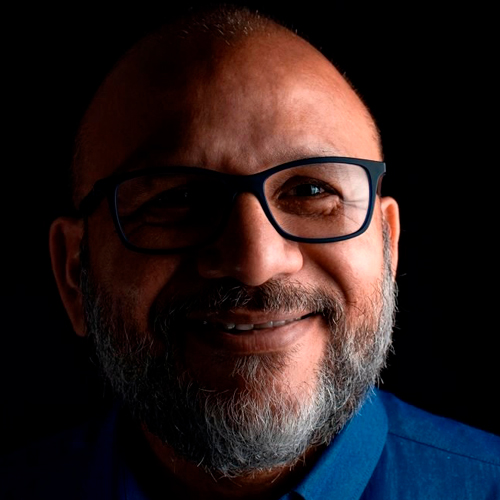
Andrés Cañizález
View bio
Venezuelan. Journalist with a doctorate in political science. Throughout my professional career I have walked in many directions. I have practiced journalism, mainly in radio and international news agencies, and in recent years more in opinion journalism. I spent many years at a university as a researcher and in the last decade have focused on disinformation, both directing Cotejo.Info and writing and analyzing the phenomenon.
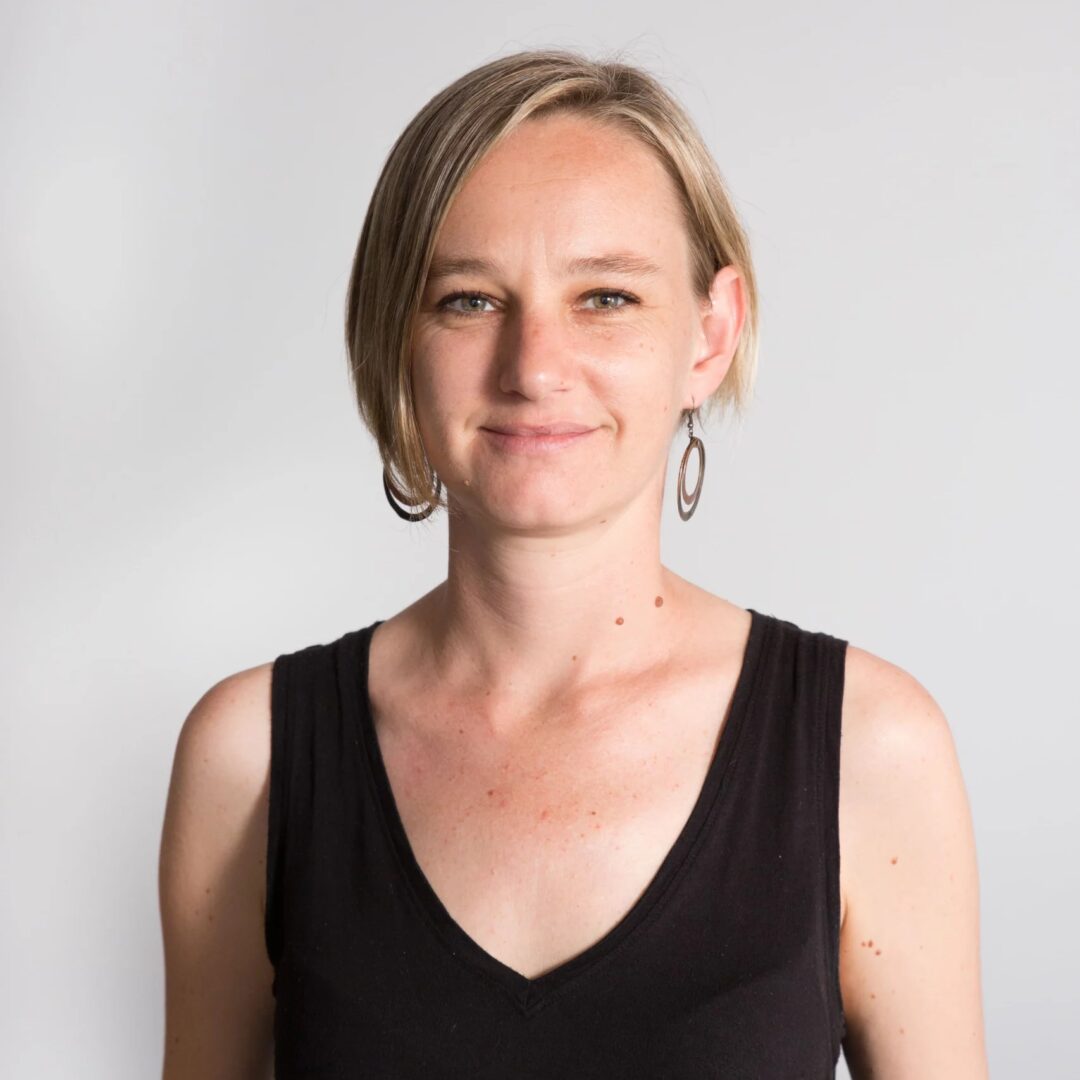
Olivia Sohr
View bio
Director of Impact and New Initiatives at Chequeado, where she has worked since its founding. She has held various roles: initially as a fact-checker, then as Editorial Coordinator. She studied Sociology at the Université de Paris VIII Saint-Denis and completed a master’s degree at the École des Hautes Études en Sciences Sociales. She has coordinated LatamChequea for years and represents the region on the IFCN advisory council.
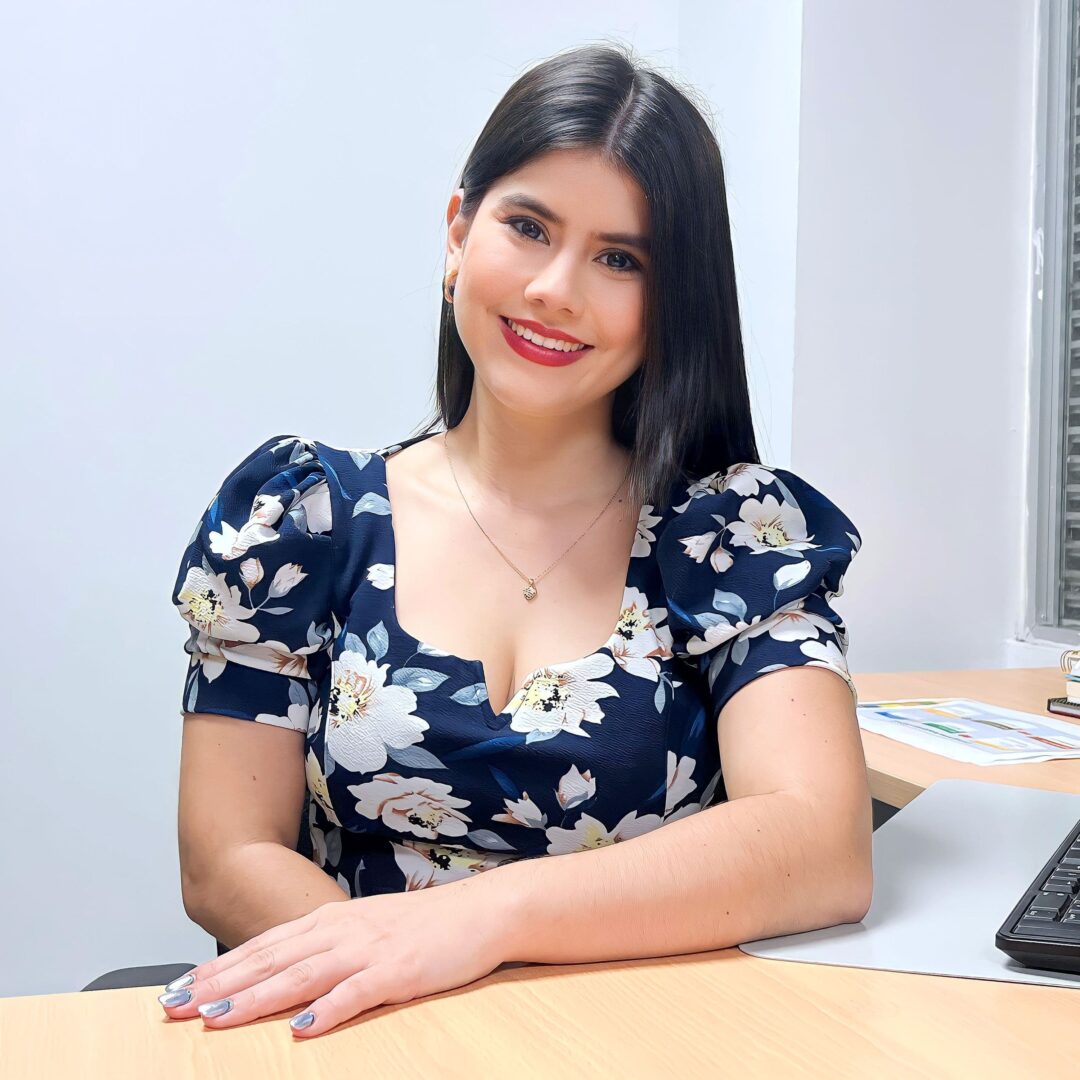
Laura Sanabria Rangel
View bio
Editor of the Detector de Mentiras at La Silla Vacía since 2024. Journalist, specialist in Constitutional Law from the Universidad Externado, and master’s candidate in Latin American Cultural Studies at the Pontificia Universidad Javeriana. Experienced in teaching and in managing communications and digital marketing strategies.
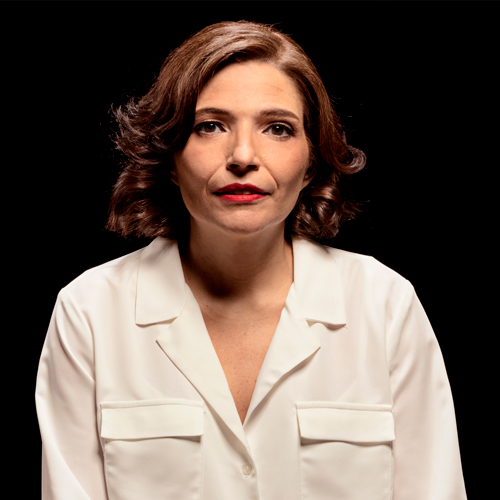
Alejandra Gutiérrez Valdizán
View bio
Co-founder and director of the Guatemalan digital outlet Agencia Ocote (2019) and of the fact-checking unit Fáctica. She has focused her career on in-depth, investigative, narrative and verification journalism. She holds a degree in Communication, a postgraduate diploma in communication and art criticism, and a DEA from a doctoral program in communication. Gabo Award in the coverage category (2022) and Finoff Award recipient.
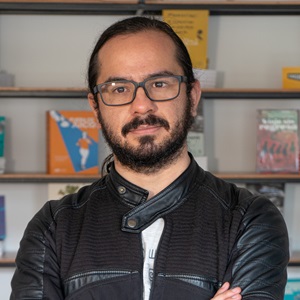
José Felipe Sarmiento Abella
View bio
Journalist and master’s degree holder in Peace Studies. He has been dedicated to fact-checking since 2018 at Colombiacheck as a fact-checker, content creator, sub-editor, editor and, from February 2025, director. He also occasionally teaches at universities and leads workshops. He has collaborated with Distintas Latitudes and, early in his career, was an intern and correspondent for El Tiempo.
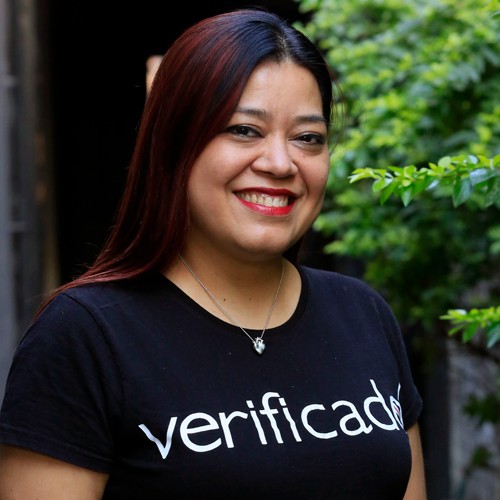
Daniela Mendoza Luna
View bio
Journalist and educator with over 20 years in Mexican journalism. Master’s degree in Communication with a specialization in Gender. She founded and directs Verificado MX. She coordinates the Network of Journalists of Northeastern Mexico. Consultant to independent media in Latin America and university professor. Expert for the DW Akademie. Fellow of the IWMF and ICFJ, and member of international visitor programs in the United States and Germany.
Daniel Bramatti
View bio
Editor of Estadão Verifica and member of the IFCN advisory council. Before joining Estadão, where he has worked since 2008, he was a reporter in Brasília, a correspondent in Buenos Aires, and a sub-editor at Folha de S.Paulo between 1994 and 2006. He served as president of Abraji (Brazilian Association of Investigative Journalism) in 2018 and 2019.
What do all these outlets have in common?
LatamChequea is a network for exchanging practices and learnings among outlets that do data fact-checking or disinformation verification. On its tenth anniversary, the network’s member organizations agreed on a new governance system, which defined criteria to establish who can be part of the network.
The network includes organizations that do fact-checking in the region, as well as those working in Spain, Portugal and those publishing in Spanish in the United States, given that linguistic unity is relevant for countering disinformation. To be part of the network, organizations must meet certain requirements:
- Having published at least 50 pieces of content debunking disinformation in the past year. Exceptions may be made in specific cases that the council will evaluate.
- Having a public verification and correction method.
The decision to incorporate new organizations will be subject to council approval. Being a member of the network does not entail obligations beyond meeting the requirements. Participation in the various projects and working groups is voluntary. Joining and participating in the network are free of charge.
Media consortia that come together to do collaborative fact-checking can also join on a temporary basis. The leaders of these alliances, if they are not already part of the network, are invited to participate as observers. Both consortia and outlets must fill out an annual form confirming that they wish to maintain their participation in the network, and it is assessed whether they still meet the requirements.
The LatamChequea network actively collaborates with IFCN to work in a complementary way, and many of the organizations in LatamChequea are also members of IFCN.
What projects do we carry out and how is the network funded?
The network is coordinated by Chequeado and funded with Chequeado’s own resources (see here for information about the organization’s funding). Through Chequeado we also raise and manage funds for specific projects from international organizations, philanthropic organizations and companies.
Since its founding in 2014, the network has organized in-person events. These have received funding from: Civicus, the United States Embassy in Argentina, Facebook, Google News Initiative, IFCN, Luminate, Meta, NED, The Omidyar Group, Twitter, Uber, Unesco, the European Union and Usaid.
In addition, the network has developed various research projects and collaborative initiatives. In the context of the 2020 pandemic, we developed LatamChequea Coronavirus, a database with all the pieces debunking pandemic-related disinformation. We also created in 2021 LatamChequea Vacunas, another database aimed at countering disinformation circulating about COVID-19 vaccines, where we also produced audiovisual content for distribution on social media. In both cases we had the support of Google News Initiative.
We are publishing a series of investigative reports titled “The Disinformers,” focusing on various actors who have systematically spread disinformation in the region, initially about the pandemic and later on other topics. We were able to conduct many of these investigations thanks to the support of the Internet Society (ISOC), NED, and the European Union.
Before that, we had already brought together nine outlets from the region to verify the most widely shared disinformation about comprehensive sex education (CSE).
We also developed, together with Unesco and funded by the European Union, a site called PortalCheck, an initiative to present useful resources on how to verify information and avoid sharing disinformation. We later developed PortalCheck Elecciones, with specific content on electoral disinformation.
We also provide training sessions and talks for network members, help partners carry out joint projects, and regularly send out a newsletter with relevant information about fact-checking in the region, which you can subscribe to here.
If you have any other questions or would like to get in touch, you can write to us at [email protected].